Spoiled Dog Vintage Design Review
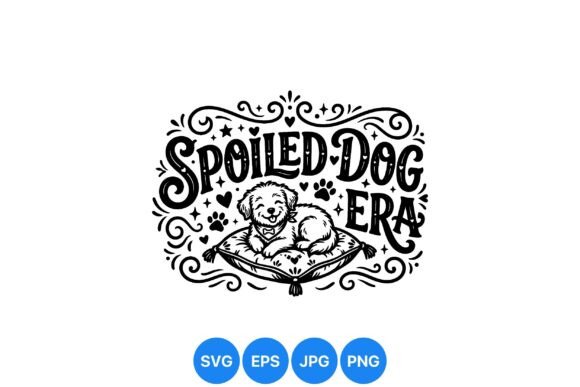
As someone who's spent years working with embroidery designs, I know how important it is to find a machine embroidery design that feels both unique and versatile. The Spoiled Dog Vintage Design caught my eye for its charm and classic appeal. At first glance, it brings a sense of nostalgia with its black and white aesthetic, playful typography, and intricate details like stars, hearts, and paw prints. It feels like something you'd see on an old-fashioned quilt or a vintage apron, which makes me think immediately of how this could work in a custom tote bag or even a baby onesie.
A Visual Treat for Handmade Projects
The layout of the Spoiled Dog Vintage Design is balanced and inviting. The dog is centered, reclining on a cushioned pillow, which gives the piece a relaxed, whimsical feel. The ornate swirls and decorative elements add depth without overwhelming the main subject. This kind of detail is perfect for projects that need a touch of elegance but still want to feel personal and handmade.
I can imagine this design being used on a variety of items—like a embroidered patch for a boutique brand or as part of a holiday gift set. The vintage style would pair beautifully with other retro-inspired decor or clothing items, making it a great choice for small shop products or Etsy listings.
How It Stands Up in Real Embroidery Situations
When considering how the Spoiled Dog Vintage Design would look after stitching, I think about fabric types and hoop sizes. For most projects, especially custom apparel like sweatshirts or t-shirts, the design should translate well. The use of fill stitches and satin stitches in the background will create a smooth finish, while the running stitch details around the dog and the surrounding motifs will add texture and dimension.
If you're thinking of using this on a tote bag design or a pillow cover, the design’s scale works well. However, if you're planning to use it on smaller items like a cap or a patch, you might need to adjust the hoop size or simplify some of the finer details. The intricate swirls and small lettering could be tricky on very small hoops or thin fabrics, so testing on scrap fabric first is always a good idea.
Where to Use with Caution
While the Spoiled Dog Vintage Design is visually appealing, there are a few situations where it might not perform as well. On stretchy fabrics like knits or jerseys, the design may not hold up as well unless you use a proper stabilizer. Similarly, if you're planning to embroider on dark fabric, checking thread color contrast is essential. The black and white palette might not show up clearly on darker backgrounds, so experimenting with different thread colors or adding subtle shading could help.
For commercial embroidery projects or digital product previews, it's also important to confirm whether the design file includes all necessary layers and whether it's suitable for both personal and business use. Always check the licensing terms before selling finished items or digital embroidery files.
Design Impact and Practical Tips
The Spoiled Dog Vintage Design has a strong visual appeal that can elevate any handmade product. Its vintage theme adds a layer of storytelling, which is especially valuable for personalized gifts or boutique branding. When stitched properly, it can enhance the perceived value of the finished product and increase customer trust in your craft business.
To get the best results, consider these practical tips: test the design on scrap fabric first, review stitch density, check thread colors against your fabric, and ensure you have the right stabilizer for your material. If you're preparing a printable mockup or a digital embroidery file for a client, reviewing the design in black and white mockups can help identify potential issues before you commit to a full project.
Whether you're an Etsy seller, a small shop product designer, or just a hobbyist looking for inspiration, the Spoiled Dog Vintage Design offers a charming way to bring a bit of vintage flair into your embroidery projects. Just remember to consider the fabric type, hoop size, and thread color when planning your next custom apparel or handmade item.